


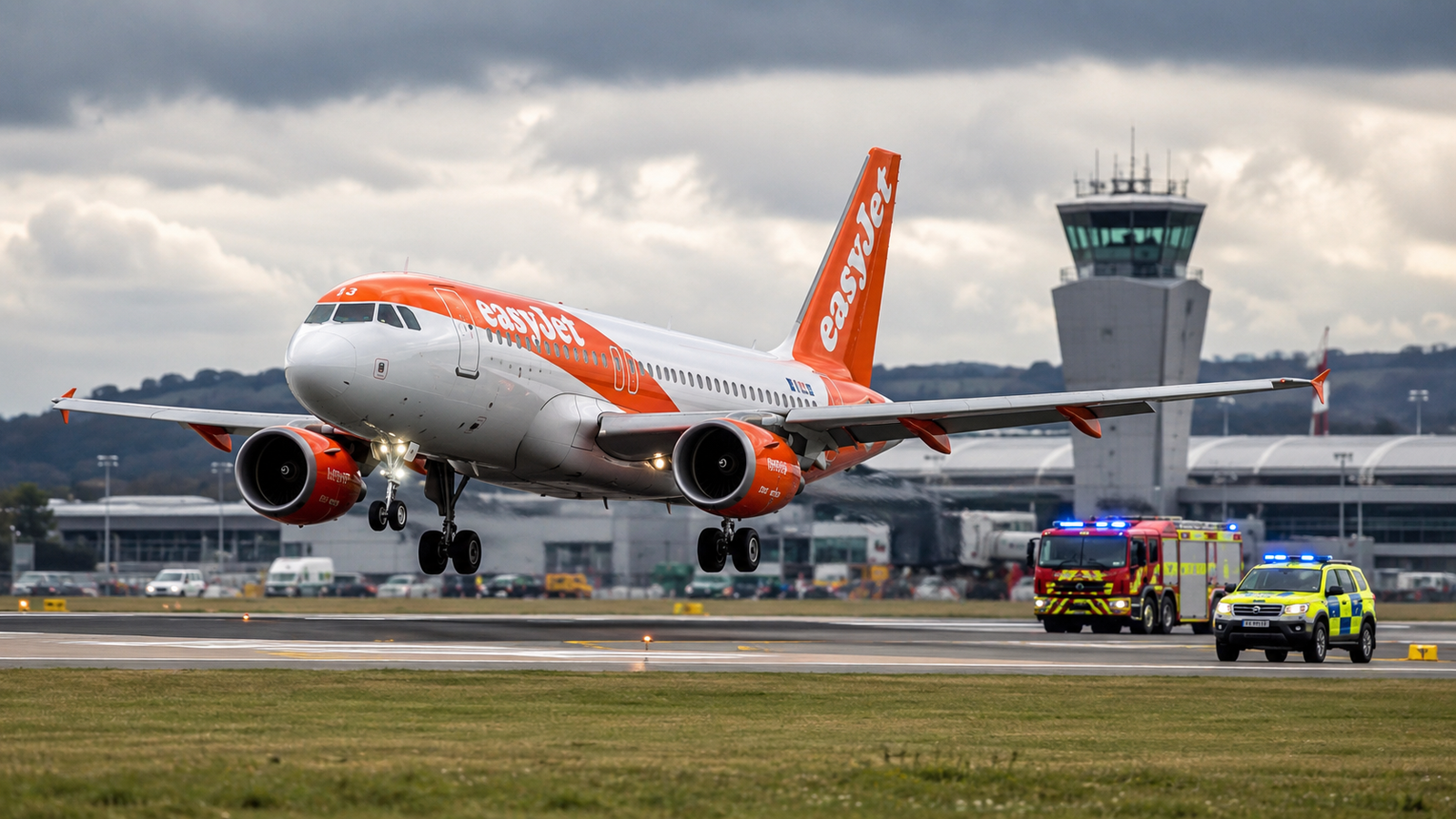
EasyJet Flight U2238 made headlines after an unexpected diversion resulted in a safe emergency landing at Newcastle Airport. While emergency landings often raise concerns among travelers, this incident highlights how modern aviation safety systems, trained flight crews, and coordinated airport responses work together to protect passengers. In this article, we examine what happened during the EasyJet Flight U2238 emergency landing in Newcastle, why the aircraft was diverted, and what the event reveals about airline safety procedures and emergency decision-making.
Overview of the EasyJet Flight U2238 Emergency Landing
The EasyJet Flight U2238 emergency landing Newcastle incident attracted significant public attention after the aircraft diverted from its planned route and landed safely at Newcastle Airport. While emergency landings can sound alarming to passengers and readers, they are often examples of aviation safety systems working exactly as intended.
Flight U2238 was operating a scheduled EasyJet service from Copenhagen, Denmark, to Manchester, United Kingdom. During the journey, the flight crew identified a situation that required immediate attention and elected to divert the aircraft rather than continue to its original destination. Such decisions are never taken lightly and are guided by strict aviation procedures designed to prioritize passenger safety above all other considerations.
Reports surrounding the incident indicated that the aircraft declared an emergency and later landed safely in Newcastle. Emergency declarations are part of standard aviation operations and allow air traffic controllers, airport authorities, emergency services, and airline operations teams to coordinate resources efficiently.
Although emergency landings often generate concern among travelers, the successful outcome of Flight U2238 demonstrates the effectiveness of modern commercial aviation safety systems and the extensive training received by flight crews.
Timeline of Events From Copenhagen to Newcastle
The journey began as a routine international flight departing from Copenhagen Airport. Weather conditions and operational circumstances appeared normal during departure, and the aircraft proceeded toward the United Kingdom according to its planned route.
At some point during the flight, the crew became aware of an onboard situation requiring urgent consideration. Following established airline procedures, pilots assessed available options, consulted operational guidance, and communicated with air traffic control.
Rather than continuing toward Manchester, the crew elected to divert to Newcastle Airport. Such decisions are based on several factors, including passenger wellbeing, available medical support, airport facilities, weather conditions, runway suitability, and response times.
As the diversion unfolded, air traffic controllers prioritized the aircraft’s arrival and coordinated support services on the ground. Emergency response teams were placed on standby as a precautionary measure, which is standard procedure whenever an aircraft declares an emergency.
The aircraft subsequently landed safely in Newcastle, where passengers received assistance and the airline continued managing the situation according to established operational protocols.
The timeline reflects a carefully coordinated response rather than a chaotic event. Every stage, from detection of the issue to the final landing, followed procedures developed through decades of aviation safety experience.
Why the Flight Was Diverted
Diversions occur when continuing to the original destination is no longer the safest or most practical option. In the case of Flight U2238, reports suggested that the diversion was linked to a passenger medical emergency.
Medical emergencies are among the most common reasons commercial flights divert. Passengers may experience cardiac symptoms, breathing difficulties, severe allergic reactions, seizures, or other health conditions that require immediate professional treatment.
Aircraft carry medical kits and crews receive first-aid training, but there are limits to the care available in the air. When a situation appears serious, pilots may decide that reaching medical professionals on the ground is the safest course of action.
The decision-making process often involves communication with ground-based medical support providers. Many airlines maintain access to medical specialists who can assist crews during in-flight emergencies. Based on the information available, medical experts may recommend diversion if they believe urgent care is necessary.
Importantly, diverting a flight does not automatically mean the situation is life-threatening. It means the crew determined that a passenger’s condition warranted faster access to professional medical assistance.
Why Newcastle Airport Was Chosen
Many travelers wonder why a flight heading to Manchester would land in Newcastle instead. The answer lies in aviation operational planning and geography.
When a diversion becomes necessary, pilots evaluate several potential airports. The closest airport is not always the best choice. Factors such as runway length, weather conditions, traffic levels, emergency services availability, and airport operating status all influence the final decision.
Newcastle Airport offers strong emergency response capabilities and is well equipped to handle commercial jet operations. Depending on the aircraft’s position at the time of the emergency, Newcastle may have represented the fastest and safest location for landing.
Air traffic control also plays an important role. Controllers can provide information about nearby airports, runway availability, weather conditions, and expected arrival times. Together with airline operations teams, the pilots select the most suitable airport.
The successful landing highlights the flexibility built into commercial aviation. Every flight has alternative airports available throughout the journey, should unexpected circumstances arise.
Understanding Squawk 7700 and Emergency Aviation Procedures
One aspect of the incident that generated interest among aviation enthusiasts was the emergency declaration process and the possibility of a squawk code being used.
A transponder code known as Squawk 7700 is the universal emergency code used by aircraft worldwide. When pilots enter this code into the aircraft’s transponder, air traffic controllers immediately recognize that the flight requires priority handling.
The code does not indicate the specific nature of the emergency. It simply signals that assistance may be required. The emergency could involve a medical situation, a technical issue, smoke indications, pressurization concerns, or other operational problems.
Once an emergency is declared, air traffic control gives the aircraft priority over other traffic. Controllers may provide direct routing, clear airspace, coordinate emergency services, and ensure the flight reaches its destination as quickly and safely as possible.
These procedures are practiced regularly through simulations and training exercises. The aviation industry treats emergency preparedness as a fundamental element of operational safety.
The use of emergency procedures should not be viewed as evidence of failure. Instead, it reflects a system designed to respond proactively before risks escalate.
How Cabin Crew and Pilots Handle Medical Emergencies
Medical emergencies present unique challenges because aircraft operate in an environment where immediate hospital care is unavailable.
Cabin crew members are trained to assess situations quickly and gather essential information. They may check vital signs, provide first aid, administer oxygen, and communicate details to the cockpit.
Pilots rely on accurate information from the cabin to evaluate the severity of the situation. They may also establish contact with medical professionals on the ground through dedicated communication systems.
Many flights include passengers with medical backgrounds, and crews can request assistance from doctors, nurses, or paramedics traveling on board. Such support can be invaluable when assessing a patient’s condition.
Throughout the process, crews follow detailed checklists designed to ensure no critical steps are missed. These procedures help maintain consistency and reduce decision-making pressure during stressful situations.
The handling of Flight U2238 appears to reflect the professionalism and coordination expected in modern commercial aviation.
What Passengers Experienced During the Diversion
For passengers onboard, diversions can be unsettling. Most travelers expect a straightforward journey and may become concerned when announcements mention an emergency landing.
In many cases, however, the cabin remains calm. Flight attendants continue their duties while keeping passengers informed as appropriate. Clear communication helps reduce anxiety and maintain order.
Passengers may notice changes in the aircraft’s route, altitude, or arrival plans. They may also observe emergency vehicles positioned near the runway after landing. These responses are precautionary and form part of standard emergency planning.
Following landing, passengers often remain onboard temporarily while authorities assess the situation. Depending on circumstances, airlines may arrange onward transportation, alternative flights, accommodation, or other assistance.
The experience can be stressful, but incidents like Flight U2238 also remind travelers that aviation professionals are trained extensively to manage unexpected events.
How Modern Aviation Safety Systems Respond to Emergencies
Commercial aviation is one of the safest forms of transportation in the world. This safety record results from multiple layers of protection working together.
Aircraft are equipped with sophisticated monitoring systems capable of detecting abnormalities long before they become critical. Pilots receive extensive training in emergency management and regularly practice unusual scenarios in simulators.
Air traffic control systems provide continuous monitoring of aircraft movements and facilitate rapid coordination during emergencies. Airlines maintain operational control centers that support flight crews around the clock.
Emergency response teams at airports conduct regular drills to ensure readiness. Medical services, fire crews, and rescue personnel are trained to respond immediately when required.
The successful outcome of the EasyJet Flight U2238 emergency landing demonstrates how these systems function together. Rather than relying on a single safeguard, aviation employs multiple layers of protection.
Medical Diversions and Why They Happen
Medical diversions occur more frequently than many people realize. Given the millions of passengers who travel annually, it is inevitable that some individuals will experience health problems during flights.
Common reasons include chest pain, breathing difficulties, severe allergic reactions, strokes, heart attacks, diabetic complications, and loss of consciousness.
Age demographics also contribute to diversion statistics. As air travel becomes increasingly accessible, airlines transport passengers with a wide range of medical histories and health conditions.
Medical diversions are generally viewed as successful outcomes because they prioritize passenger welfare. The goal is not necessarily to complete the scheduled journey but to ensure that anyone requiring urgent care receives it as quickly as possible.
Flight U2238 appears to fit within this broader category of operationally prudent medical diversions.
Passenger Rights and Airline Responsibilities During Emergency Landings
When an emergency diversion occurs, airlines have responsibilities toward affected passengers.
The exact obligations vary depending on the circumstances, destination, and applicable regulations. However, airlines generally work to minimize disruption and provide support following unexpected events.
Passengers may receive rebooking assistance, transportation arrangements, accommodation where necessary, and updates regarding onward travel plans.
It is important to recognize that safety-related diversions differ from routine delays. Airlines prioritize immediate operational and medical concerns before addressing travel logistics.
Most travelers understand that emergency landings are undertaken for safety reasons and accept that schedule changes may be unavoidable under such circumstances.
Lessons Travelers Can Learn From This Incident
The Flight U2238 diversion highlights several important lessons for travelers.
Passengers should always inform airlines of relevant medical conditions when appropriate and carry necessary medications in their hand luggage. Essential medicines should never be packed exclusively in checked baggage.
Travel insurance can also provide valuable support during unexpected disruptions. While emergency landings are rare, medical situations can affect travel plans significantly.
The incident further demonstrates the importance of following crew instructions. Cabin crews are trained professionals whose guidance is designed to maximize safety and efficiency.
Perhaps the most reassuring lesson is that diversions represent a proactive safety measure rather than a sign of danger. The system is designed to identify problems early and respond effectively.
What Aviation Experts Say About Emergency Diversions
Aviation experts consistently emphasize that diversions are evidence of strong safety culture.
Industry professionals generally view a captain’s willingness to divert as a positive decision when circumstances warrant it. Delaying action in hopes that a situation improves can introduce unnecessary risk.
Experts also point out that modern airline operations encourage conservative decision-making. Pilots are supported when choosing safety-focused options, even if those decisions create operational disruptions.
The aviation industry measures success not by avoiding diversions but by ensuring that every flight reaches a safe outcome. In that respect, the handling of Flight U2238 aligns with established best practices.
The Importance of Fast Decision-Making in Commercial Aviation
Timely decision-making is one of the most important skills in aviation.
Pilots often operate with incomplete information and must evaluate risks quickly. Training emphasizes situational awareness, communication, and structured decision-making processes.
In emergency situations, waiting too long can reduce available options. Acting promptly often preserves flexibility and increases the likelihood of a positive outcome.
The Flight U2238 incident illustrates how early recognition and decisive action contribute to safety. The diversion enabled access to ground-based support while maintaining a controlled operational environment.
Such decisions rarely attract attention when everything goes smoothly, yet they represent one of the reasons commercial aviation maintains such a strong safety record.
Final Thoughts on the EasyJet Flight U2238 Emergency Landing
The EasyJet Flight U2238 emergency landing Newcastle incident serves as an important reminder of how modern aviation prioritizes passenger safety. While emergency declarations may sound dramatic, they are often precautionary measures designed to ensure the best possible outcome.
From the crew’s response and air traffic control coordination to airport preparedness and emergency procedures, every stage of the diversion reflected the layered safety approach that defines contemporary air travel.
The successful landing at Newcastle demonstrates the effectiveness of aviation training, operational planning, and emergency response systems. Most importantly, it highlights the industry’s commitment to making safety the highest priority in every decision.
Frequently Asked Questions
What happened on EasyJet Flight U2238?
EasyJet Flight U2238 was diverted and landed safely at Newcastle Airport after an onboard situation reportedly involving a passenger medical emergency required immediate attention.
Why did Flight U2238 not continue to Manchester?
The crew determined that landing earlier would provide faster access to necessary assistance and reduce potential risks associated with continuing to the scheduled destination.
What does Squawk 7700 mean?
Squawk 7700 is the internationally recognized emergency transponder code used by aircraft to notify air traffic control that priority assistance is required.
Was the aircraft itself experiencing technical problems?
Public reports primarily focused on a medical emergency. Available information has not indicated a major aircraft technical failure as the reason for the diversion.
Are emergency landings common in commercial aviation?
They are uncommon but not rare. Airlines regularly train for such events, and most emergency landings result in safe outcomes.
Why was Newcastle Airport selected?
Newcastle offered a suitable combination of location, runway capability, emergency services, and operational readiness at the time of the diversion.
What happens to passengers after an emergency landing?
Airlines coordinate onward travel arrangements, provide updates, and work with airport authorities to ensure passengers receive appropriate support.
Do pilots receive special emergency training?
Yes. Commercial airline pilots undergo extensive simulator training and recurrent assessments covering a wide range of emergency scenarios.
Are medical emergencies a frequent reason for flight diversions?
Yes. Medical situations are among the most common causes of unscheduled landings worldwide.
Does declaring an emergency mean the flight is in immediate danger?
Not necessarily. Emergency declarations are often precautionary measures that allow pilots to access priority support and ensure the safest possible outcome.
