


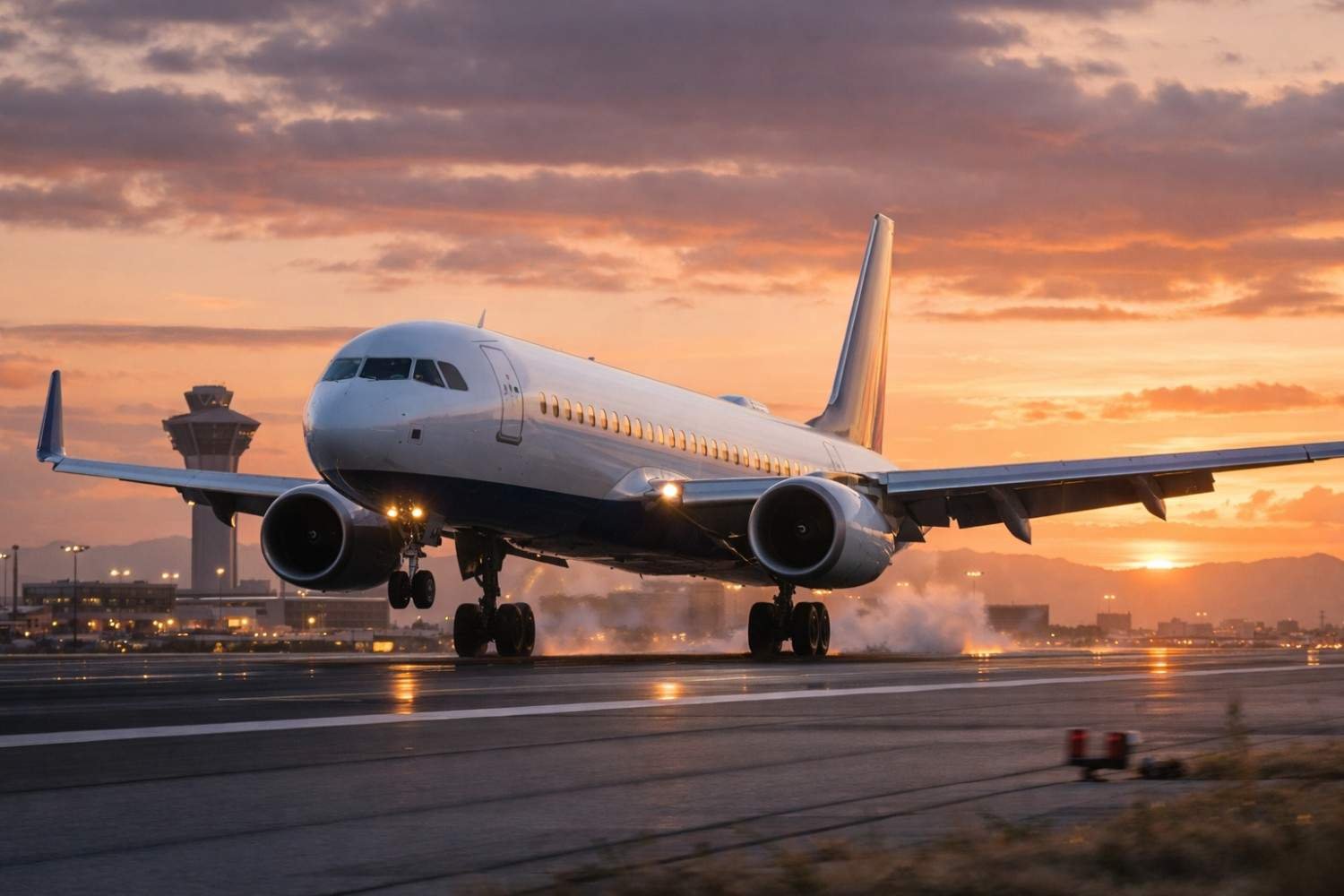
Overview of Delta Flight DL275 Diversion
The incident involving Delta Flight DL275 diverted LAX quickly, captured public attention, not because diversions are rare, but because they highlight how airlines make real-time safety decisions at 35,000 feet. Flight DL275, operated by Delta Air Lines, was on a long-haul international route when the crew made the calculated decision to divert to Los Angeles International Airport instead of continuing to its planned destination.
From an aviation standpoint, this was not a failure or disruption but a controlled response to evolving flight conditions. Layered safety systems, real-time aircraft data, and direct coordination between pilots, airline operations centers, and air traffic control guide diversions like this. In the case of DL275, the diversion demonstrated that modern airlines prioritize passenger safety over schedules, costs, and convenience, even when that decision leads to delays and logistical complexity.
The moment the aircraft touched down at LAX, airline teams were already mobilized to assist passengers, assess the aircraft, and prepare next steps. What unfolded afterward offers valuable insight into how diversions work and why they remain a critical pillar of aviation safety.
Why the Flight Was Diverted from LAX
When Delta Flight DL275 diverted LAX, speculation followed almost immediately. While airlines rarely release highly technical details beyond official statements, diversions typically occur due to mechanical indicators, medical concerns, weather changes, or operational safety thresholds. In this case, the decision was reportedly linked to a precautionary technical indication, not an emergency landing scenario.
Commercial aircraft are equipped with sophisticated monitoring systems that alert pilots to even minor anomalies. Many of these alerts do not indicate imminent danger but signal that continued flight could increase risk. Aviation protocol is clear: when uncertainty exists, divert to the nearest suitable airport with full maintenance and medical support.
LAX is one of the most capable diversion airports in North America, offering extensive runway options, specialized maintenance crews, and immediate access to Delta’s operational infrastructure. Choosing LAX ensured the aircraft could be inspected thoroughly without compromising passenger safety or aircraft integrity.
Importantly, a diversion does not mean the aircraft was unsafe to fly at that moment. It means the crew followed best practice by eliminating unnecessary risk before it escalated.
Passenger Experiences and Reactions
For passengers onboard, the announcement that Delta Flight DL275 diverted LAX likely came with mixed emotions. Confusion, concern, and frustration are natural reactions, especially for travelers on international itineraries with connections, visas, or time-sensitive plans.
Reports from passengers indicated that the crew maintained clear and calm communication, a factor that significantly influences how diversions are perceived. When pilots explain that a diversion is precautionary and outline the next steps, anxiety levels tend to decrease. Cabin crew is trained extensively for these moments, balancing reassurance with professionalism.
Many passengers later shared appreciation for the airline’s transparency and the visible priority placed on safety. While delays are inconvenient, most travelers recognize that arriving late is preferable to arriving at risk. This mindset reflects a growing public understanding of aviation safety culture, where proactive decisions are valued over rigid adherence to schedules.
Delta Airlines’ Response and Safety Protocols
Delta’s response following the DL275 diversion reflected the airline’s established safety and customer-care framework. Once the aircraft landed, maintenance teams inspected the plane while customer service staff worked to rebook passengers, arrange accommodations where necessary, and provide updates.
Airlines operate under strict regulatory oversight, and every diversion triggers internal reviews, maintenance documentation, and crew debriefings. These processes are not optional; they are mandatory components of aviation safety management systems.
Delta has long invested in predictive maintenance technologies that analyze aircraft performance data in real time. When these systems detect irregularities, they empower flight crews to make informed decisions quickly. The DL275 diversion aligned precisely with these protocols, reinforcing the airline’s commitment to prevention rather than reaction.
Understanding Flight Diversions: How Common Are They?
While a diverted flight often makes headlines, diversions are more common than most travelers realize. Globally, thousands of commercial flights divert each year, representing a small fraction of total operations but a vital safety mechanism.
Statistically, the majority of diversions are non-emergency and precautionary, similar to the Delta Flight DL275 diverted LAX scenario. Modern aviation emphasizes redundancy, meaning aircraft can safely continue flying even after certain system alerts. However, safety philosophy dictates that if landing sooner reduces uncertainty, diversion is the correct choice.
Weather remains the leading cause of diversions worldwide, followed by medical issues and technical indications. Mechanical diversions rarely result in accidents, precisely because airlines act early rather than waiting for problems to escalate.
Expert Insights on Airline Safety During Emergencies
Aviation safety experts consistently emphasize that diversions are a sign of system strength, not weakness. Pilots are trained to think conservatively, airlines are incentivized to avoid risk, and regulators enforce strict compliance.
From an expert perspective, the DL275 diversion illustrates how decision-making authority rests firmly with the flight crew. Even if operational impacts are significant, pilots retain the final say when safety thresholds are crossed.
Experts also note that modern aircraft provide more data than ever before, allowing crews to anticipate issues long before passengers notice anything unusual. This predictive capability is why many diversions feel sudden to travelers but are actually the result of careful analysis.
Lessons and Tips for Travelers
The Delta Flight DL275 diverted LAX incident offers important lessons for frequent and occasional travelers alike. First, diversions are not random; they are deliberate safety actions. Understanding this can help passengers remain calm and patient during disruptions.
Second, flexibility is essential when flying long distances. Allowing buffer time for connections and maintaining realistic expectations reduces stress when plans change. Third, paying attention to crew instructions and updates ensures passengers stay informed and prepared.
Finally, choosing airlines with strong safety records and transparent communication practices enhances overall travel confidence. Incidents like DL275 reinforce why airline safety standards remain among the most rigorous in any industry.
Conclusion
The story of Delta Flight DL275 diverted LAX is ultimately a story about responsible decision-making in modern aviation. Rather than pushing forward under uncertain conditions, the flight crew and airline chose caution, professionalism, and passenger well-being.
While diversions disrupt schedules, they also demonstrate why commercial aviation remains one of the safest modes of transportation in the world. The DL275 incident reminds us that behind every flight number is a network of trained professionals, advanced technology, and protocols designed to protect lives.
For travelers, the lesson is clear: safety-driven decisions are always the right decisions, even when they come with inconvenience.
