


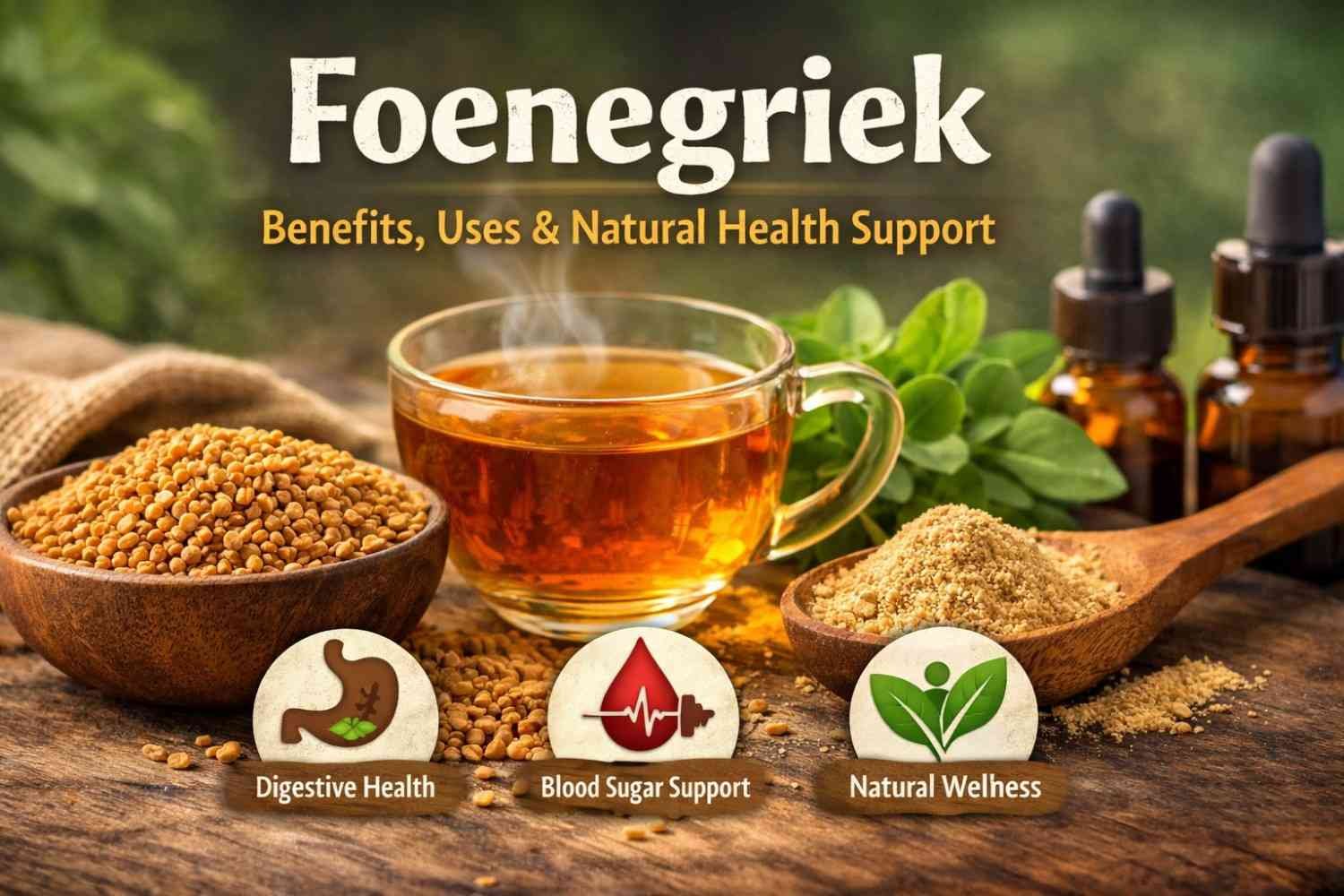
You’ve probably seen the word Foenegriek and wondered what it actually is. In simple terms, it’s another name for fenugreek, a well-known herb used in both cooking and traditional wellness practices. People search for it today for a mix of reasons: some want natural support for digestion or blood sugar, others are curious about its role in recipes, and a few are just exploring herbal nutrition in general.
What makes it interesting is that it’s not just a health trend. It’s been around for centuries, quietly used in kitchens and home remedies long before it became popular online.
What Is Foenegriek?
Foenegriek is essentially the Dutch or European-style name for fenugreek, a plant whose seeds and leaves are widely used in food and traditional herbal practices. You’ll usually find it in seed form, powder, or sometimes dried leaves.
It sits in a unique space. On one side, it’s a spice with a slightly bitter, nutty flavor. On the other hand, it’s considered a traditional herb that people have relied on for everyday wellness support.
That dual purpose is why it keeps showing up in both kitchens and natural health conversations.
History and Traditional Use of Foenegriek
This herb has a long history that goes back to ancient regions like the Middle East, India, and parts of North Africa. It wasn’t treated as something exotic back then—it was simply part of daily life.
People used it in cooking because it added depth to food, but it also had a reputation for supporting digestion and general health. In older systems of herbal practice, fenugreek seeds were often soaked, ground, or brewed into simple remedies.
Over time, its popularity never really disappeared. It just moved from traditional kitchens into modern wellness discussions. That’s why you’ll still see it recommended today, just in a slightly different context.
Health Benefits of Foenegriek
Digestive Support
One of the most common reasons people turn to this herb is for digestion. The seeds contain natural fiber that can help keep things moving in the gut.
Some people use it when they feel bloated or heavy after meals. It’s not a quick fix, but when used consistently, it may help support a more balanced digestive system.
Blood Sugar and Metabolic Support
Fenugreek has been studied for its potential role in supporting blood sugar levels. The fiber and plant compounds in the seeds may slow down how the body absorbs carbohydrates.
That said, it’s not a replacement for medical treatment. Think of it more as something that can complement a balanced diet rather than replace proper care.
Nutritional Value and Fiber
Another reason it’s valued is its nutritional profile. The seeds contain fiber, small amounts of protein, and essential minerals like iron and magnesium.
That combination makes it appealing for people who want to add something simple to their diet without overcomplicating things.
Women’s Wellness and Traditional Use
In traditional settings, fenugreek has often been used in women’s health routines. Some cultures associate it with hormonal balance and postpartum recovery.
Modern use is a bit more cautious, but the traditional reputation is still there. Anyone considering it for this purpose should approach it carefully and ideally consult a professional.
Nutritional Profile of Foenegriek
What makes this herb stand out isn’t just one nutrient—it’s the mix.
It contains soluble fiber, which supports digestion and may help regulate appetite. It also includes plant compounds like saponins and flavonoids, which are often linked to general wellness.
On top of that, it offers minerals such as iron and magnesium. While it’s not a “superfood miracle,” it fits well into a balanced, whole-food diet.
That’s really the key—it works best as part of a bigger picture, not as a standalone solution.
Culinary Uses of Foenegriek
If you’ve ever eaten curry and noticed a slightly bitter, warm flavor, there’s a good chance fenugreek was involved.
The seeds are often used whole or ground into powder. They show up in spice blends, lentil dishes, and even certain breads. The leaves, sometimes called methi, are also used in cooking, especially in South Asian cuisine.
Some people use it in tea form by soaking or boiling the seeds. Others mix the powder into soups or stews.
The flavor can be strong, so a little goes a long way. Once you get used to it, though, it adds a really distinct depth to food.
How to Add Foenegriek to Your Diet
The easiest way to start is simple. You don’t need complicated recipes.
Some people soak a small amount of seeds overnight and consume them in the morning. Others prefer making a mild tea by boiling the seeds in water.
If you cook regularly, adding a pinch of the powder to curries or soups is probably the most natural option. It blends in easily and doesn’t require extra effort.
The key is to start small. The flavor is strong, and the body may need time to adjust.
Possible Side Effects and Precautions
Like any herb, this one isn’t for everyone.
Some people experience mild digestive discomfort when they first start using it. In larger amounts, it can cause bloating or a slightly unusual body odor due to its natural compounds.
Pregnant women are generally advised to avoid it unless guided by a professional. It may also interact with certain medications, especially those related to blood sugar.
So while it’s natural, that doesn’t mean it’s risk-free. Using it in moderation is the safest approach.
Where to Buy and How to Store Foenegriek
You’ll usually find it in grocery stores, especially those that carry international or Asian ingredients. Health food stores and online shops also stock it in seed, powder, and supplement form.
When buying, quality matters. Fresh seeds should have a slightly golden color and a strong aroma.
Storage is simple. Keep it in an airtight container, away from moisture and direct sunlight. That helps preserve both flavor and effectiveness.
Conclusion
Foenegriek has managed to stay relevant for a reason. It’s simple, versatile, and rooted in both food and tradition. Whether you’re exploring it for cooking or looking into natural wellness, it offers a practical way to add something new to your routine.
The key is to treat it as part of a balanced lifestyle, not a miracle fix. Used thoughtfully, it can be a useful addition without complicating things.
FAQ
Is Foenegriek the same as fenugreek?
Yes, it’s essentially the same herb. The name “Foenegriek” is commonly used in certain European languages.
Can I take Foenegriek daily?
Many people do, but it’s best to start with small amounts and see how your body responds before making it a routine.
What does it taste like?
It has a slightly bitter, nutty flavor. Some people compare it to maple syrup with a more earthy edge.
Is it better to use seeds or powder?
Both work. Seeds are more traditional, while powder is easier to mix into food.
Does Foenegriek really help with blood sugar?
There is some research suggesting support, but it should never replace medical advice or treatment.
